
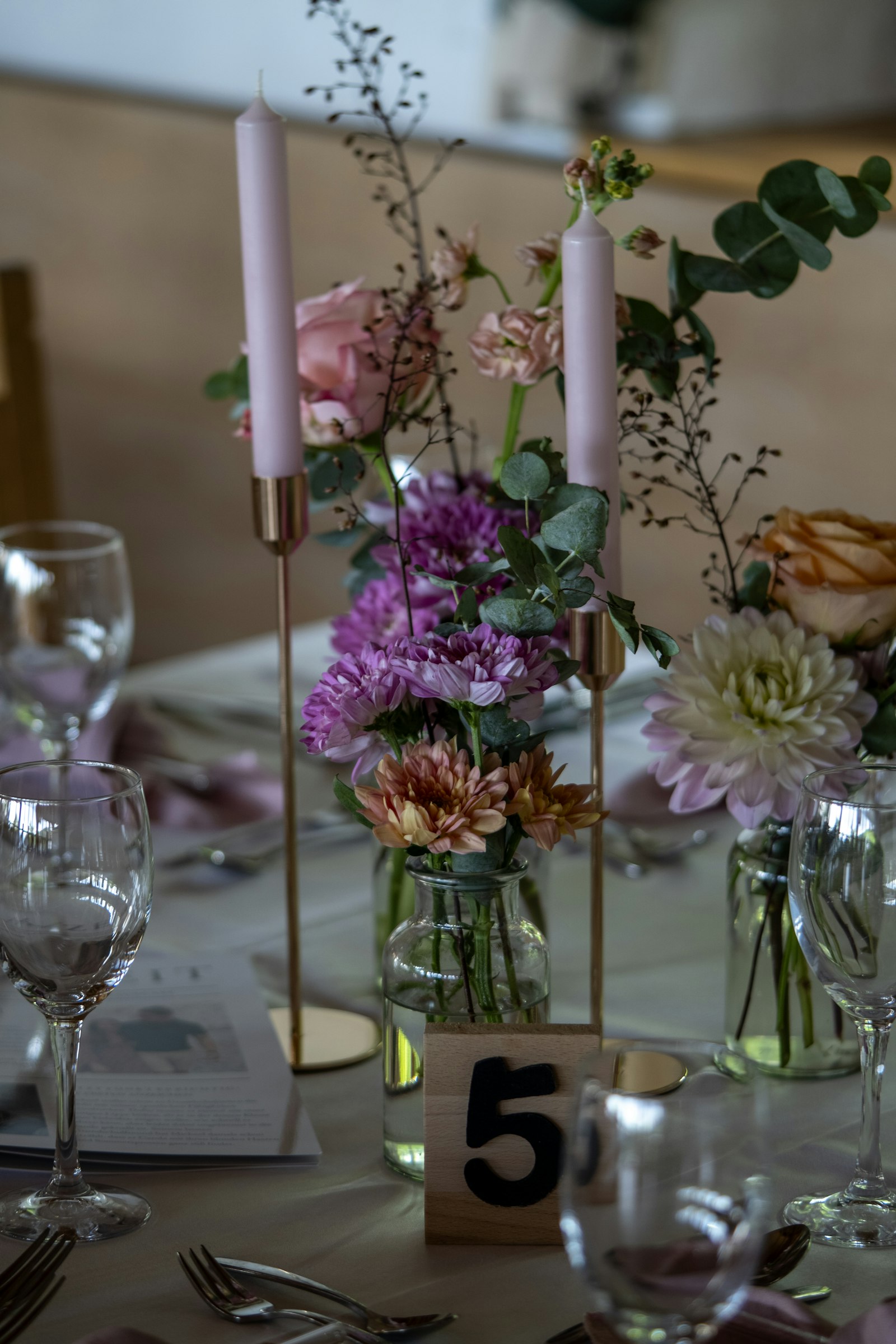
Why We Dine
In every culture, across every era, the act of dining has been more than sustenance. It's a ritual, a pause, a moment of connection. But why?
The French have a saying: "La table est le seul endroit où l'on ne s'ennuie jamais pendant la première heure"—The table is the only place where one is never bored during the first hour. There's profound truth in this. When we sit down to dine, we're not simply eating. We're creating a space where time slows, where conversation flows, where something shifts.
The Anthropology of the Table
Throughout human history, breaking bread together has been sacred. In ancient Rome, the word "companion" comes from cum panis—"with bread." To share a meal was to forge a bond, to declare trust and kinship. In Japan, the concept of ichigo ichie reminds us that each gathering is a once-in-a-lifetime encounter, never to be repeated in quite the same way.
These aren't quaint traditions from bygone eras. They speak to something essential: dining together is how we've always marked what matters. Celebrations. Reconciliations. First dates. Family reunions. Business deals. Life's pivotal moments happen over meals because the table creates a unique emotional architecture—intimate yet open, structured yet spontaneous.
The Choreography of Experience
What transforms a meal into an experience? It's not just the food, though that matters immensely. It's the choreography of elements: the lighting that sets a mood, the music that becomes a soundtrack, the pace that allows breathing room between courses. It's the server who reads the table, knowing when to engage and when to fade into the background.
In Scandinavia, they speak of hygge—that untranslatable sense of cozy contentment. In the Mediterranean, there's sobremesa—the time spent lingering at the table after eating, talking and laughing as dishes are cleared. These cultures understand that dining's magic lies not in rushing from appetizer to dessert, but in the spaces between.
Presence in a Distracted World
Perhaps dining experiences matter now more than ever. In our hyper-connected, constantly-interrupted lives, the dining table offers something increasingly rare: a reason to be fully present. Phones face down. Laptops closed. For these few hours, we're here—tasting, conversing, noticing.
The Italian tradition of passeggiata—the evening stroll before dinner—reminds us that dining begins before we even sit down. It's about transitioning, shedding the day's concerns, arriving at the table ready to engage. This is why we dress up for special dinners, why we make reservations weeks in advance. We're not just hungry; we're seeking transformation.
The Memory Makers
Ask someone about their best memories, and chances are, many involve meals. Not because the food was necessarily extraordinary (though it often is), but because dining creates the conditions for memories to form. When we're relaxed, satiated, engaged in good conversation—that's when moments become memories.
Neuroscience tells us that our most vivid memories are multi-sensory. The taste of a perfect dish, yes, but also the candlelight dancing across faces, the sound of laughter building to a crescendo, the weight of a wine glass in your hand, the warmth of the room. Dining engages all our senses simultaneously, encoding experiences deeper into our minds.
The Gift of Attention
Ultimately, a dining experience is about attention—giving it and receiving it. When a chef crafts a dish, they're offering hours of thought, skill, and care on a single plate. When we dress up and arrive on time, we're saying this moment matters. When we stay for dessert and one more coffee, we're acknowledging that the person across from us deserves our full presence.
In our efficiency-obsessed culture, dining experiences are deliciously inefficient. They can't be rushed or optimized or multitasked. They demand we slow down, that we invest hours in something that will be gone tomorrow. And that's precisely why they matter.
Because in the end, we don't dine simply to eat. We dine to connect, to celebrate, to pause, to remember we're human. We dine because some things—the best things—can't be hurried.