
Braising vs. Stewing: What's the Difference?
Both braising and stewing are slow-cooking methods that transform tough cuts into tender, flavorful dishes. But they're not the same thing.
Someone mentioned to me recently that they braise their meat by covering it completely with liquid. It got me thinking—that's actually stewing, not braising. The difference is subtle but important, and I realized it's worth clarifying.
The Main Difference: Liquid Level
The fundamental difference comes down to how much liquid you use and how the food is positioned in that liquid.
Braising means cooking something partially submerged in liquid. The protein sits in the braising liquid, but it's not completely covered. Typically, the liquid comes about one-third to halfway up the sides of whatever you're cooking. The top portion steams while the bottom simmers, and you often leave the lid on to trap moisture.
Stewing means cooking something completely submerged in liquid. Everything is covered, and the ingredients cook fully immersed in the flavorful broth or sauce. The result is more like a soup or hearty stew where the liquid is just as important as the solids.
Size Matters
Another key difference is the size of what you're cooking.
Braising works best with larger, intact pieces of meat—think whole chicken legs, bone-in short ribs, pork shoulder, or lamb shanks. You want substantial cuts that can hold their shape and benefit from the long, gentle cooking process.
Stewing, on the other hand, uses smaller, bite-sized pieces. The meat is cut into cubes or chunks before cooking, which allows it to cook more evenly when fully submerged. Classic beef stew, chicken stew, or lamb stew all follow this approach.
Browning and Building Flavor
Both techniques benefit enormously from browning the protein first. Searing the outside creates a caramelized crust that adds depth and complexity to the final dish. It's not just about color—it's about building layers of flavor.
For braising, you typically brown the large piece of meat on all sides, remove it from the pot, build your aromatic base (onions, garlic, carrots, celery), deglaze with wine or stock, then nestle the meat back in and let it cook low and slow.
For stewing, you brown the smaller pieces in batches—don't overcrowd the pan—then build your base the same way. The difference is that once everything goes back in, it's all swimming together in the liquid.
Examples from Our Kitchen
At Gems, we use both techniques depending on what we're trying to achieve.
Our One-Pot Chicken is a classic braise. We use bone-in, skin-on chicken thighs, brown them to render the fat and crisp the skin, then nestle them into a mixture of bacon, root vegetables, stock, and cream. The chicken sits partially submerged, the liquid reduces and thickens into a silky sauce, and the result is something elegant and hearty at the same time.
If we were making a chicken stew, we'd cut the meat into smaller pieces, brown them, then cover everything completely with liquid. The final dish would be more of a bowl of tender chicken and vegetables in a rich broth—comforting, but served differently.
The Science Behind It
Both methods work because they break down connective tissue over time. Tough cuts of meat are full of collagen, which melts into gelatin when cooked low and slow. That's what gives you that fall-apart tenderness and silky, luxurious texture.
The liquid helps regulate temperature and keeps everything moist. In braising, the exposed portion benefits from the steam trapped under the lid, so it stays moist without being waterlogged. In stewing, everything is bathed in liquid, so the moisture is more evenly distributed.
Which One Should You Use?
It depends on what you're cooking and how you want to serve it.
Choose braising when you have a beautiful large cut of meat that you want to present whole or in big portions. It's ideal for dishes where the protein is the star and the sauce is a supporting player. Coq au vin, osso buco, braised short ribs—all braises.
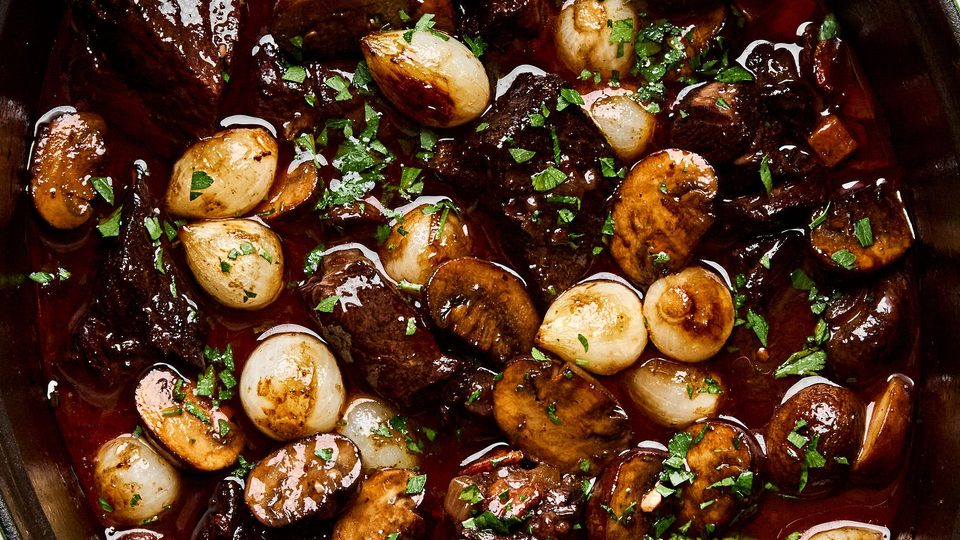
Choose stewing when you want a communal, one-bowl kind of meal. It's perfect for dishes where the broth is just as important as what's in it. Beef bourguignon, Irish stew, chicken and dumplings—all stews.
A Few Tips for Both
Whether you're braising or stewing, these principles apply:
- Use the right cut. Tougher, fattier cuts with more connective tissue work best. Don't waste an expensive tenderloin on a braise or stew.
- Brown first. Don't skip this step. It makes a huge difference in the final flavor.
- Low and slow wins. Patience is key. Let the magic happen over time.
- Taste and adjust. Season at multiple stages—before browning, during cooking, and at the end.
- Let it rest. Both braises and stews benefit from sitting for a bit before serving. The flavors continue to develop, and often they taste even better the next day.
Why We Love These Techniques
Braising and stewing are some of the most forgiving, soulful ways to cook. They don't require fancy equipment or precise timing. They reward patience and allow you to use affordable cuts of meat to create something truly special.
At Gems, we lean on these techniques because they align with our philosophy: quality ingredients, time-tested methods, and food that brings people together. Whether it's a beautifully braised chicken thigh or a hearty bowl of stew, these dishes remind us that great cooking doesn't have to be complicated.
Join us at Gems to experience our braised dishes and other seasonally inspired creations. We're always exploring new ways to bring comfort and elegance to the table.